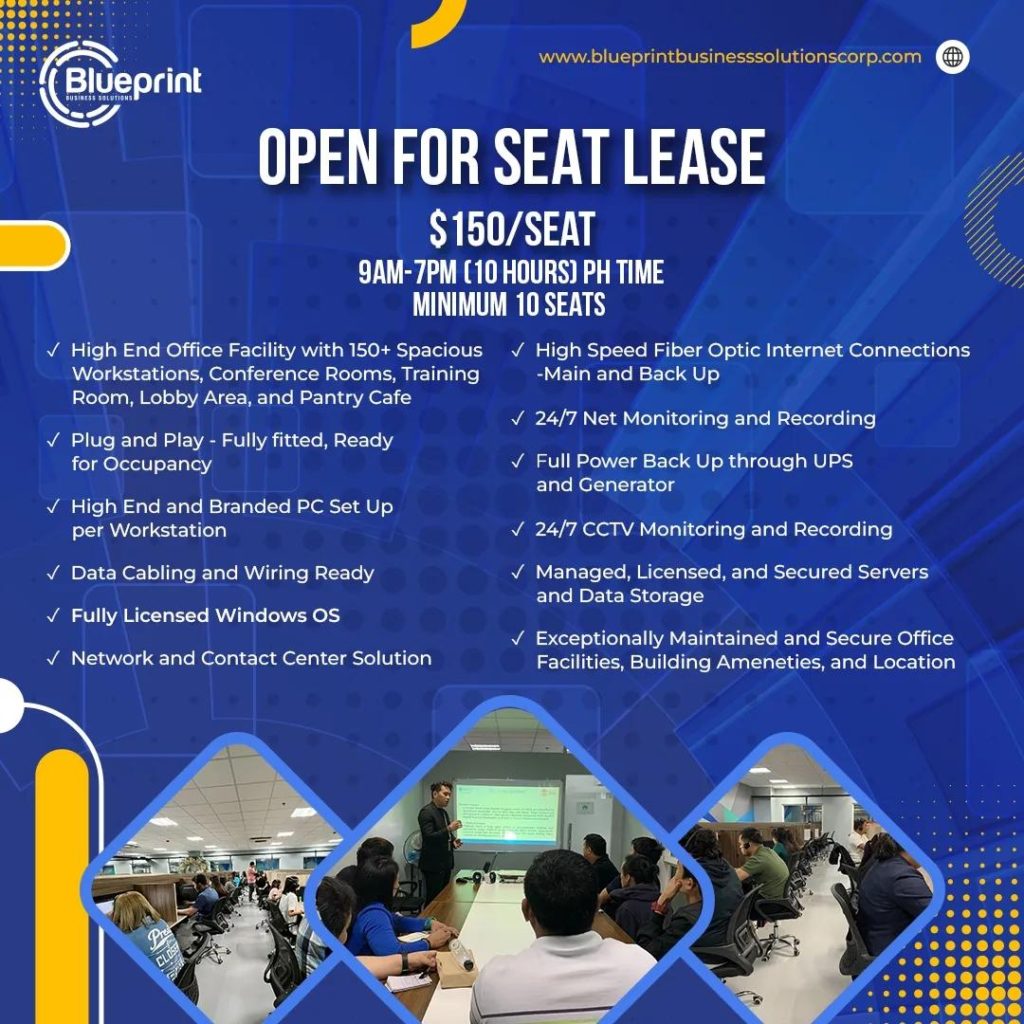

Integrating offshore teams into local workflows is about balance: leveraging remote talent for operational efficiency while keeping strategic decisions local. According to the World Economic Forum, hybrid and distributed workforce models help organizations improve productivity, reduce operational costs, and scale efficiently when supported by clear workflows and digital collaboration systems (World Economic Forum – Future of Work Reports).
Outsourcing administrative tasks allows your core team to focus on revenue-driving activities without the overhead of additional office space, equipment, or long onboarding cycles. In 2026, this approach is essential for agile growth.
Step 1: Define Your Workflow Needs
The first step in successful hybrid workforce integration is clarity. Identify which processes and tasks can be delegated to offshore teams without affecting client experience or strategic priorities.
A clear workflow map ensures both local and offshore teams understand responsibilities, timelines, and desired outcomes. Documentation at this stage reduces friction and prevents costly miscommunication later.
Step 2: Align the Right Talent
Once workflow requirements are defined, the next step is ensuring tasks are aligned with the appropriate offshore team members. Consider skills, experience, availability, and understanding of your workflows to set the foundation for productivity and long-term retention.
Step 3: Evaluate Cost-Effectiveness
Hybrid workforce integration offers significant cost advantages, but clear budgeting is critical. Assess the total cost of hiring offshore, including salaries, benefits, onboarding, and any technology or collaboration tools. Compare this to the cost of hiring locally to highlight potential savings.
Transparent pricing and expectations help prevent hidden costs, ensuring that the model remains “low risk, high reward” for your business.
Step 4: Onboard – Seamless Integration into Local Workflows
Onboarding offshore teams is essential to maintain workflow consistency and quality standards. Structured onboarding should include:
- Clear documentation of tasks and responsibilities
- Introduction to tools, platforms, and communication channels
- Defined performance metrics and reporting routines
- Scheduled check-ins for alignment and feedback
According to Staffbase, companies with structured onboarding processes see significantly higher new-hire productivity and retention, which supports smoother integration of remote teams into workflows and allows local staff to focus on strategy (Staffbase – Remote Onboarding: The New Employee Experience).
Checklist: Integrating Offshore Teams Into Local Workflows
For easy reference, here is a zero-click friendly checklist for CEOs and Operations Managers:
- Identify tasks suitable for offshore support
- Document workflows and desired outcomes
- Assign tasks to appropriate offshore team members
- Define budget and cost expectations
- Set up onboarding documentation and communication channels
- Establish performance metrics and reporting routines
- Schedule regular check-ins and feedback sessions
This step-by-step checklist improves the likelihood of appearing in Google’s featured snippets for queries related to integrating offshore teams into local workflows.
Benefits of Hybrid Workforce Integration
When implemented correctly, hybrid workforce integration provides measurable benefits:
- Reduced overhead and operational costs
- Faster scaling without physical office expansion
- Increased focus on high-value strategic work
- Greater flexibility and scalability of teams
- Lower turnover through clear workflows and structured onboarding
Hybrid models allow businesses to focus on growth while leveraging offshore teams to handle operational complexity.
The Future of Scaling in 2026
By integrating offshore teams into local workflows, businesses gain operational efficiency, maintain high performance, and stay competitive. Blueprint Business Solutions specializes in helping companies implement hybrid workforce models using our proven Workflow Guide: Tell us → Match → Price → Onboard. This approach ensures low risk, high reward, and smooth integration of offshore teams into your existing operations.
Schedule a consultation today to learn how hybrid workforce integration can help your business scale efficiently while keeping your core team focused on strategic priorities.